
The best CPQ software for services teams: 6 tools compared
Compare the best CPQ software for services teams. An honest look at six quoting tools, including services-native, deal desk, document, and channel solutions.

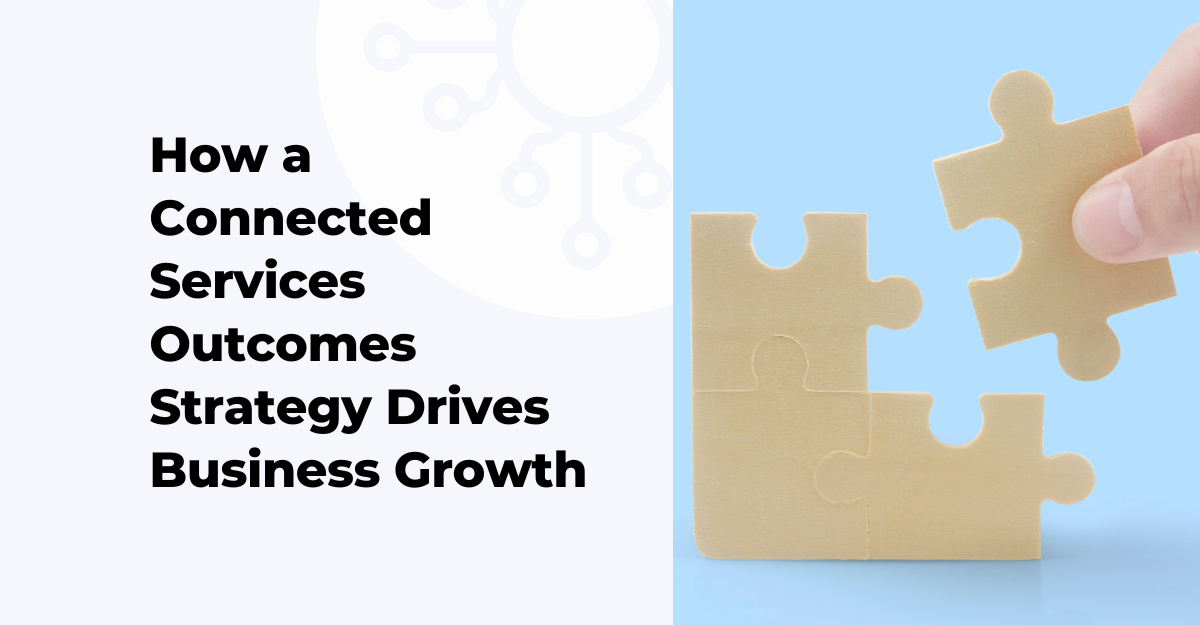
As service organizations face rising complexity and greater customer expectations, traditional methods for managing service quoting, delivery, and financial planning no longer suffice. It’s time for businesses to adopt a modern, connected strategy that not only addresses inefficiencies but also positions them to drive sustainable growth and profitability.
A Connected Services Outcomes strategy integrates service quoting, delivery, and financial planning into a unified, data-driven process. This approach helps service organizations maximize operational efficiency and enhances business performance. Here’s how it works:
In the next blog, we’ll explore the broader business benefits of a Connected Services Outcomes strategy, including growth, operational efficiency, and improved customer satisfaction.
Get instant insights with your Connected Services Outcomes Assessment Score—highlighting opportunities to enhance pricing effectiveness, revenue optimization, and financial predictability. Start Now!


Services Quoting for Professional Services

Services Quoting for Consulting Services

Services Quoting for Asset-Based Services
Compare the best CPQ software for services teams. An honest look at six quoting tools, including services-native, deal desk, document, and channel solutions.

See what’s new in Provus AI, including agents that turn emails into quotes, price on value, and optimize live deals. Watch the replay for the full demo.

WWT’s Global PMO on how to build a feedback loop between sales and delivery, and where AI fits. Watch the replay.