

PRODUCT UPDATE → CPQ Express & AI-first quoting that makes every rep a services expert | Watch now
Build winning quotes
with Agentic AI in minutes
Provus AI is the only services quoting platform powered by agentic AI. Turn ideas into quotes while AI agents monitor deals, optimize pricing, and rescue at-risk opportunities—automatically.
TRUSTED BY TECHNOLOGY INDUSTRY LEADERS






One AI platform built for services quoting. Proven by $5 billion in pricing intelligence.
Take a tour
See the power of Provus for yourself

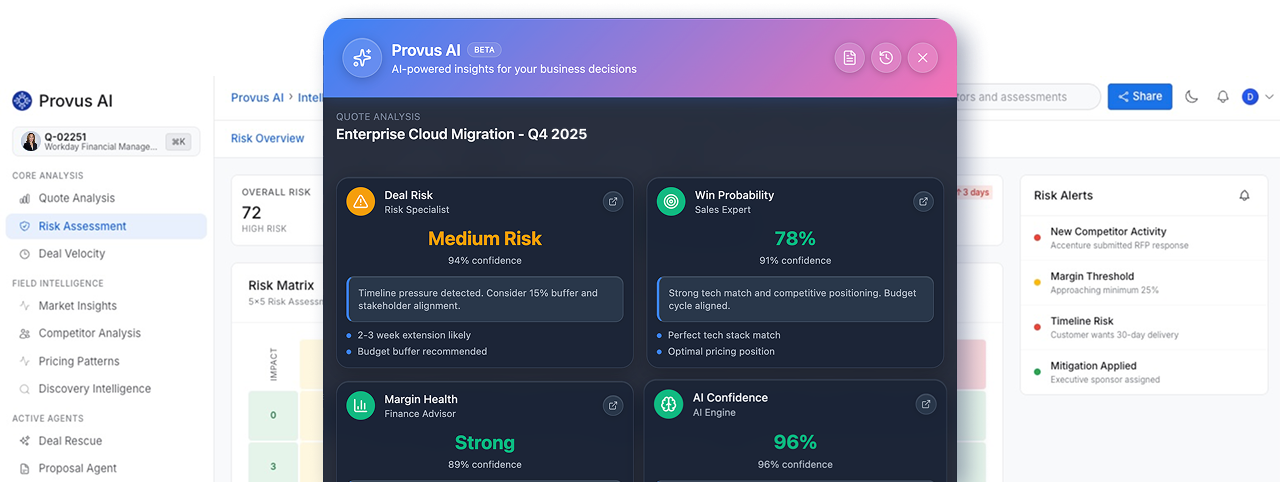
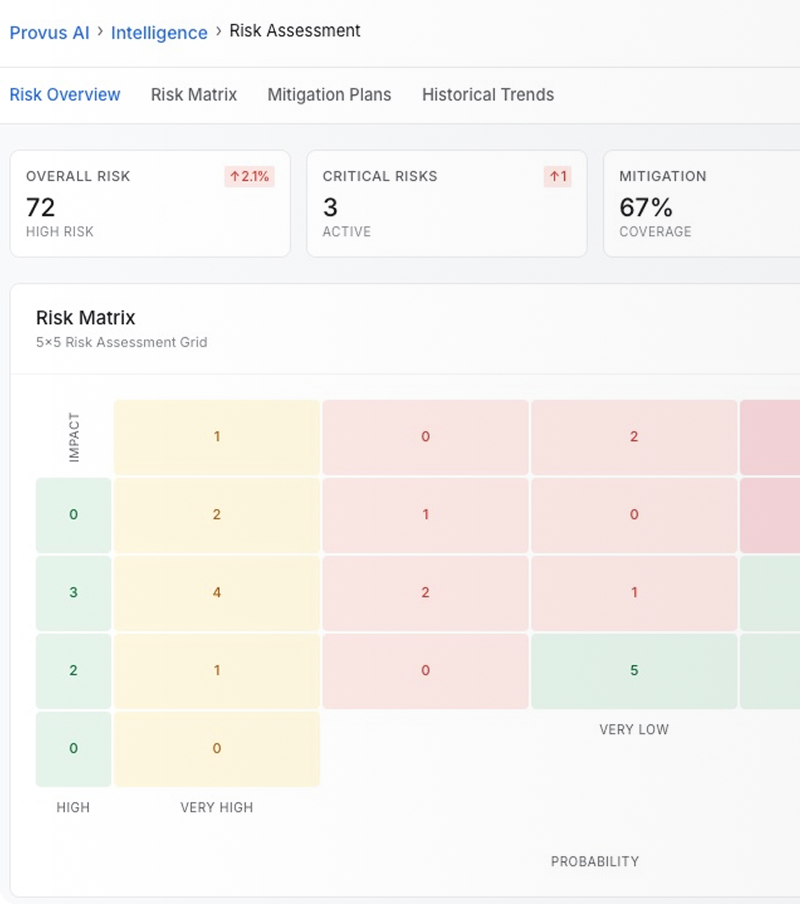
Give every deal a services expert
AI agents flag risks, forecast outcomes, and recommend pricing like your best salespeople—24/7.
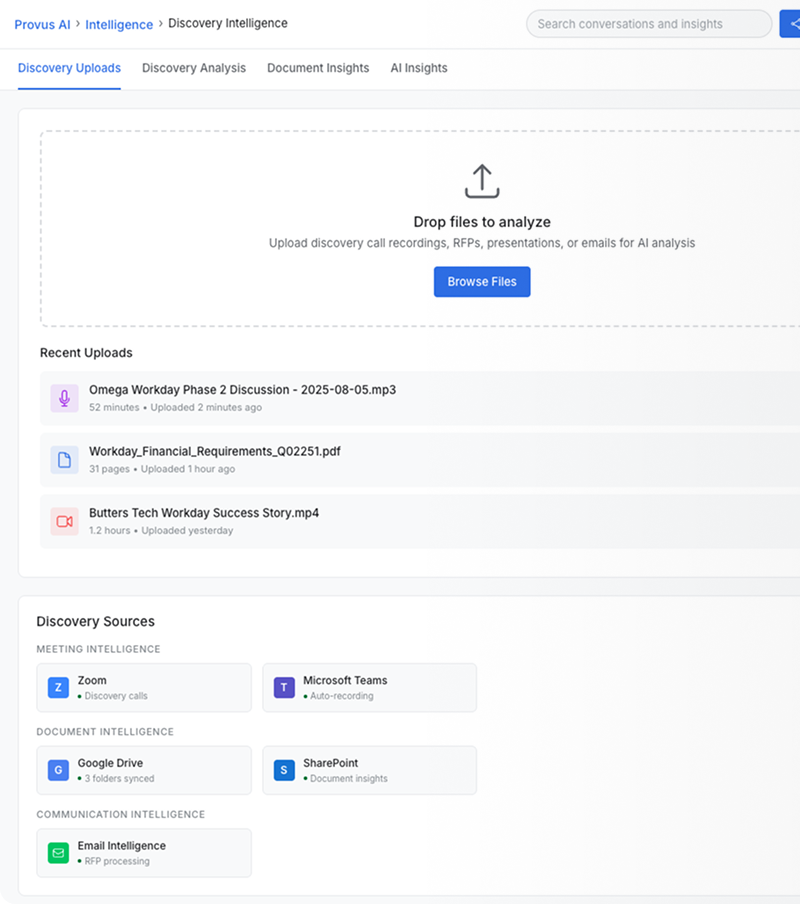

Turn any artifact into an accurate quote
Upload a sales call, RFP, or requirements document. Get a complete quote back in minutes.

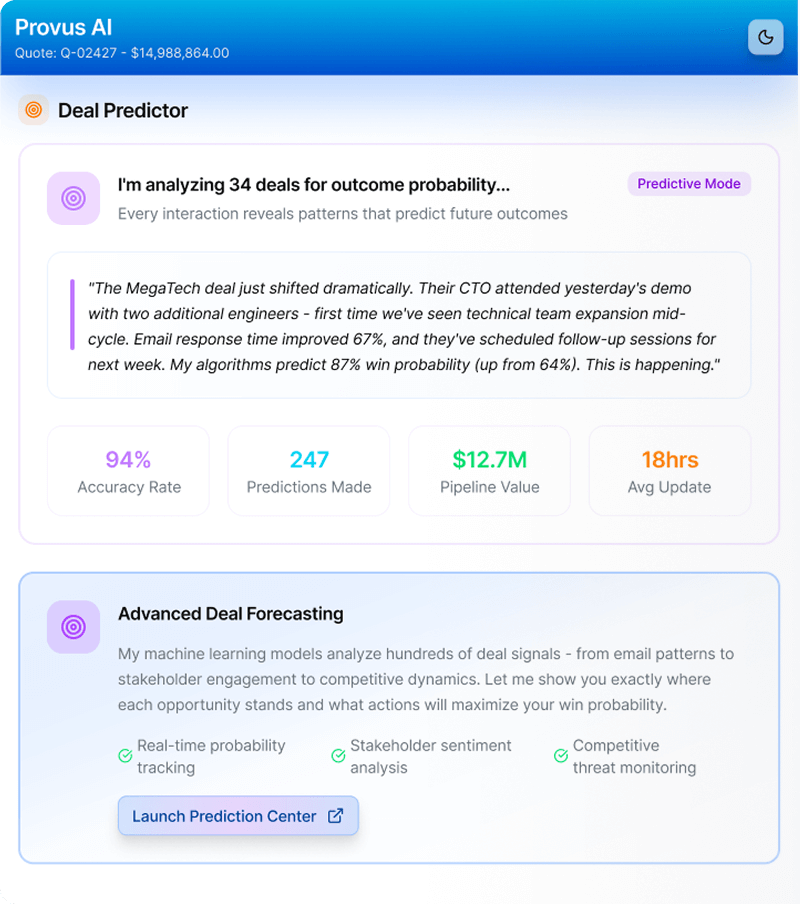
Win more with your best odds
Learn where you win (and where you’re at-risk) based on patterns in your own historical deal data.
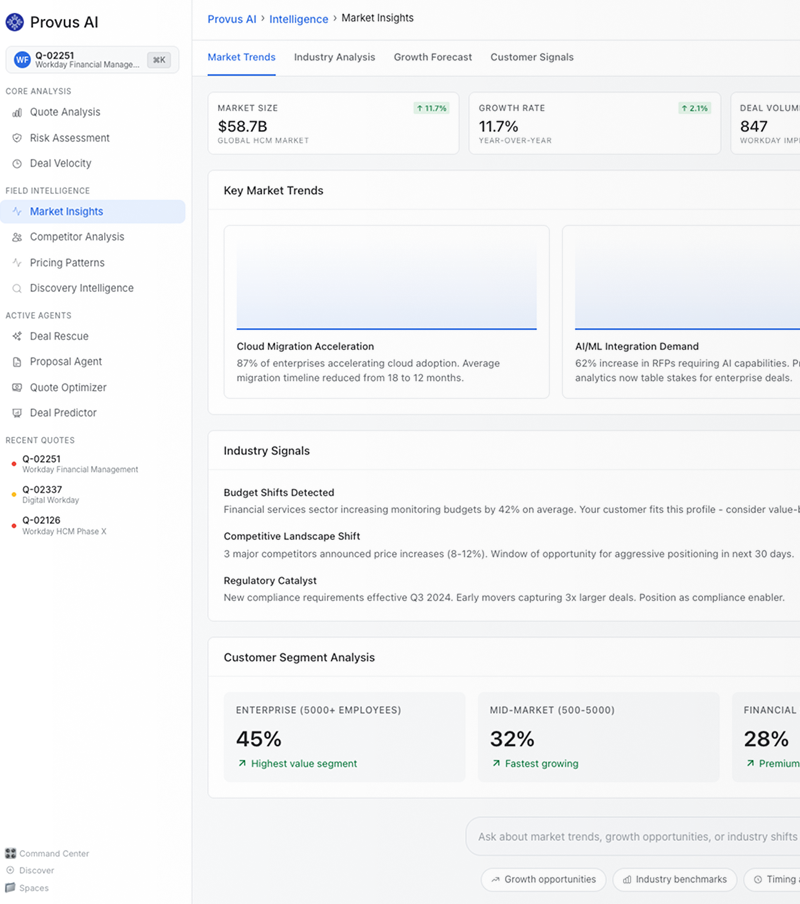

See market shifts before they happen
Competitor signals tell you when you’re leaving money on the table or pricing yourself out.

300+
users quoting services on one AI platform

4,000+
projects serviced for 1,000+ global customers
“The practice of charging for people’s time is going away in an AI-first world. Provus is at the heart of enabling this AI-led pricing transformation.”
 Chris MurphyGlobal Chief Client & Revenue Officer, Thoughtworks
“Because we have visibility into GP on the services we quote, we’re able to stop the bleed of margin decline.”
 Lyndsey AlexanderSr. Director Of Business Operations, Trace3
Move beyond founder-led sales
Meet CPQ Express, a lightweight quoting platform with AI built into every step.

Agentic AI for every step of services quoting
Watch Provus AI connect your sales strategy, market signals, and deal execution to win more deals, protect margins, and turn every opportunity into profitable growth

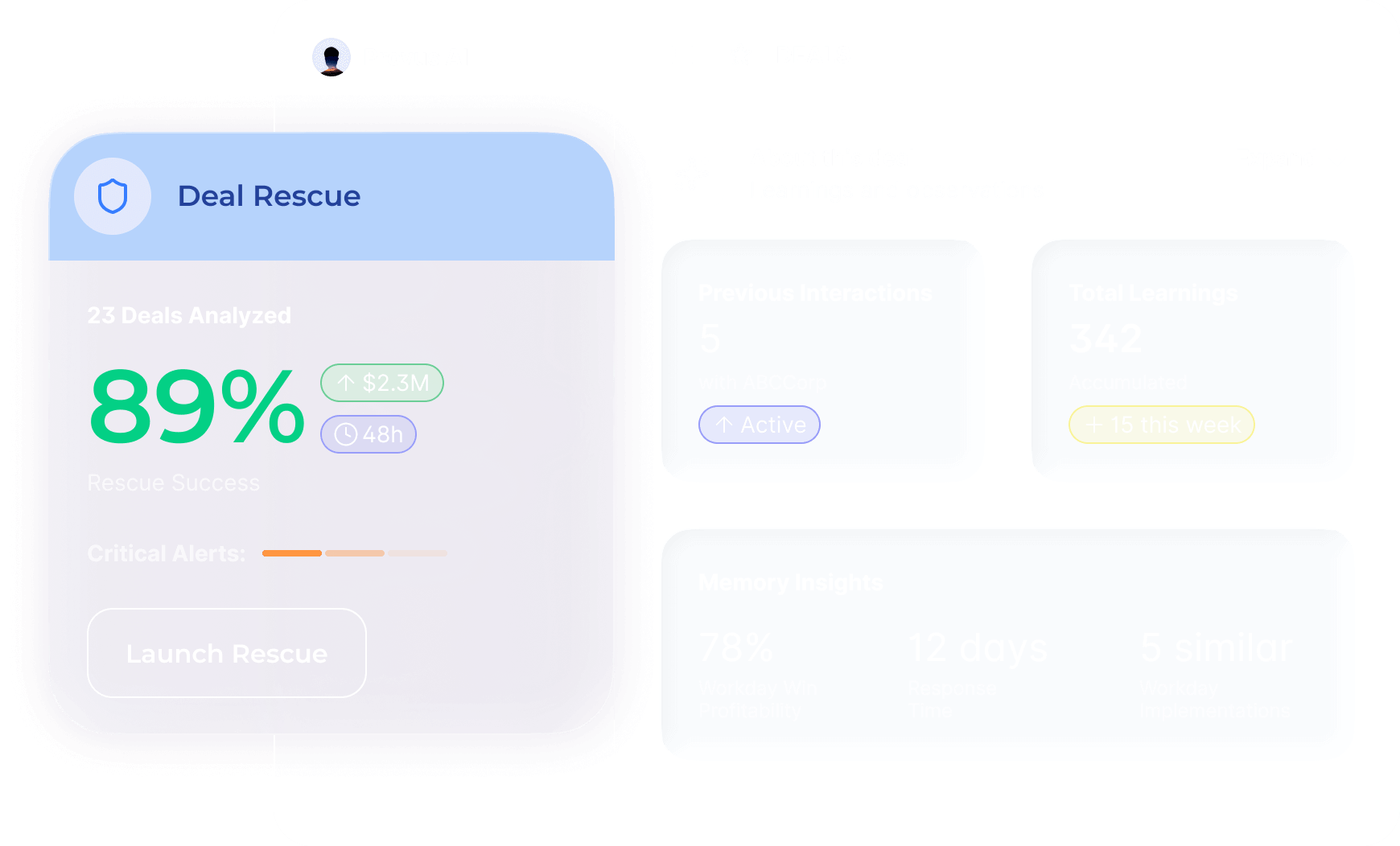
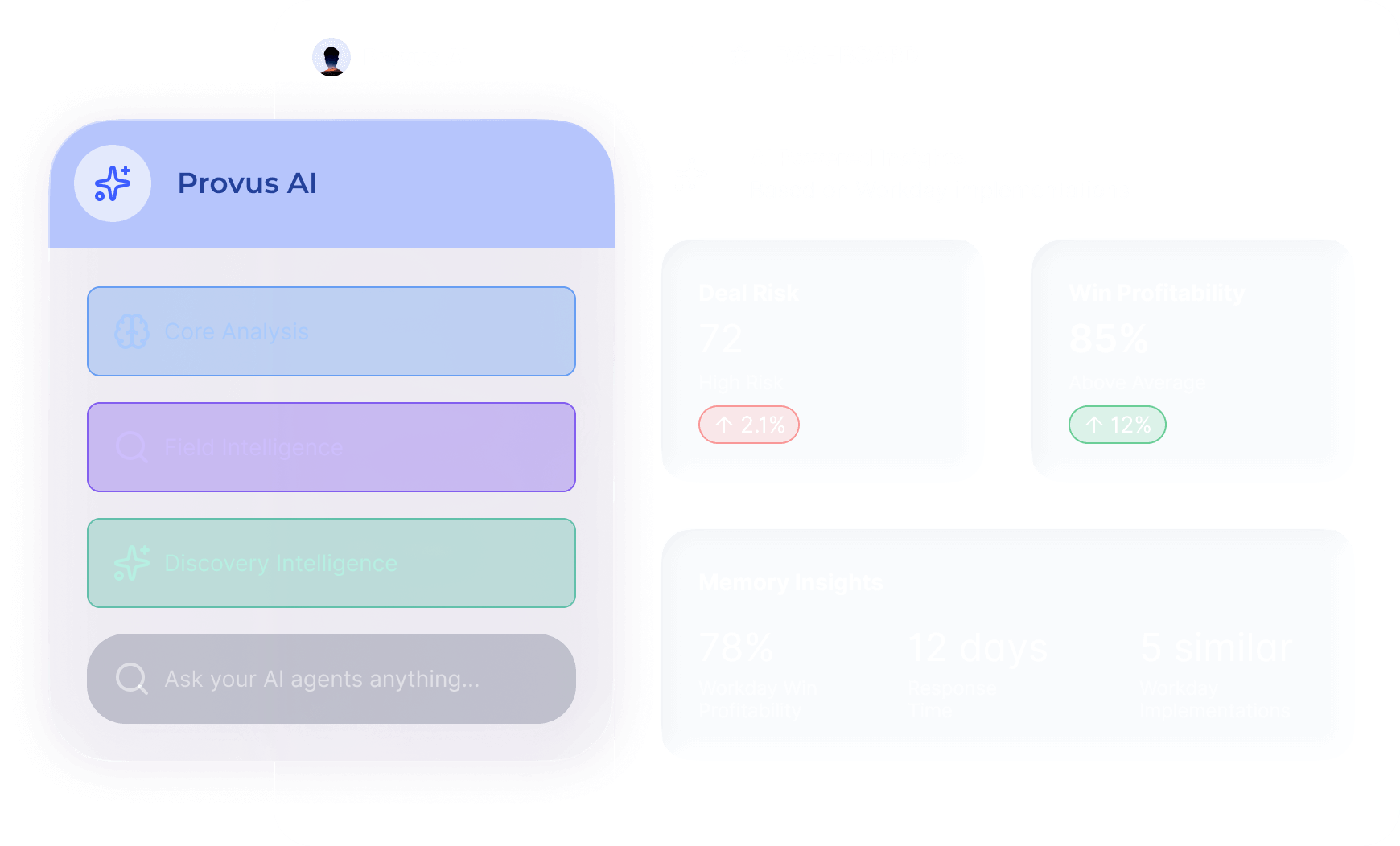
AI agents act like your best services expert
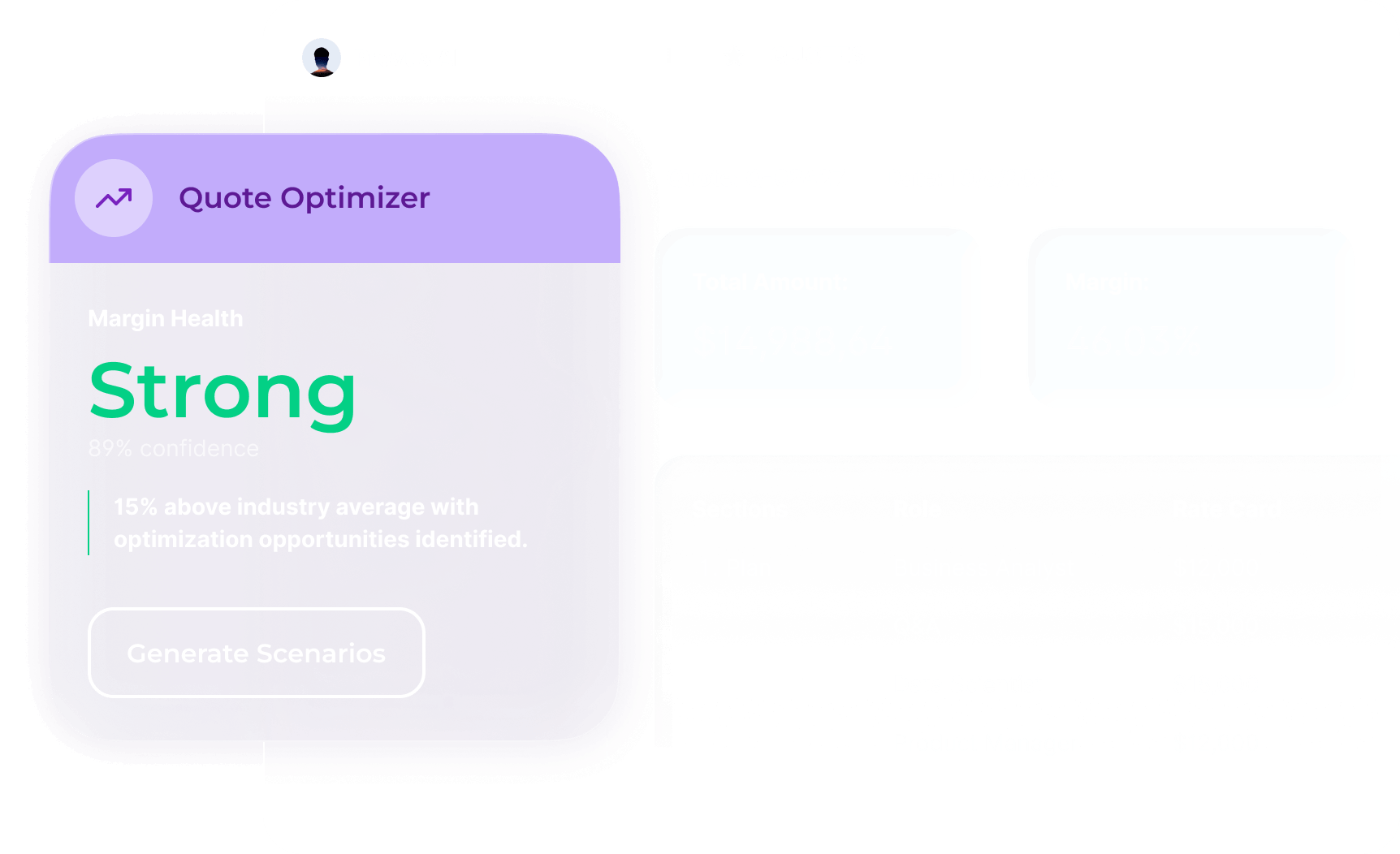
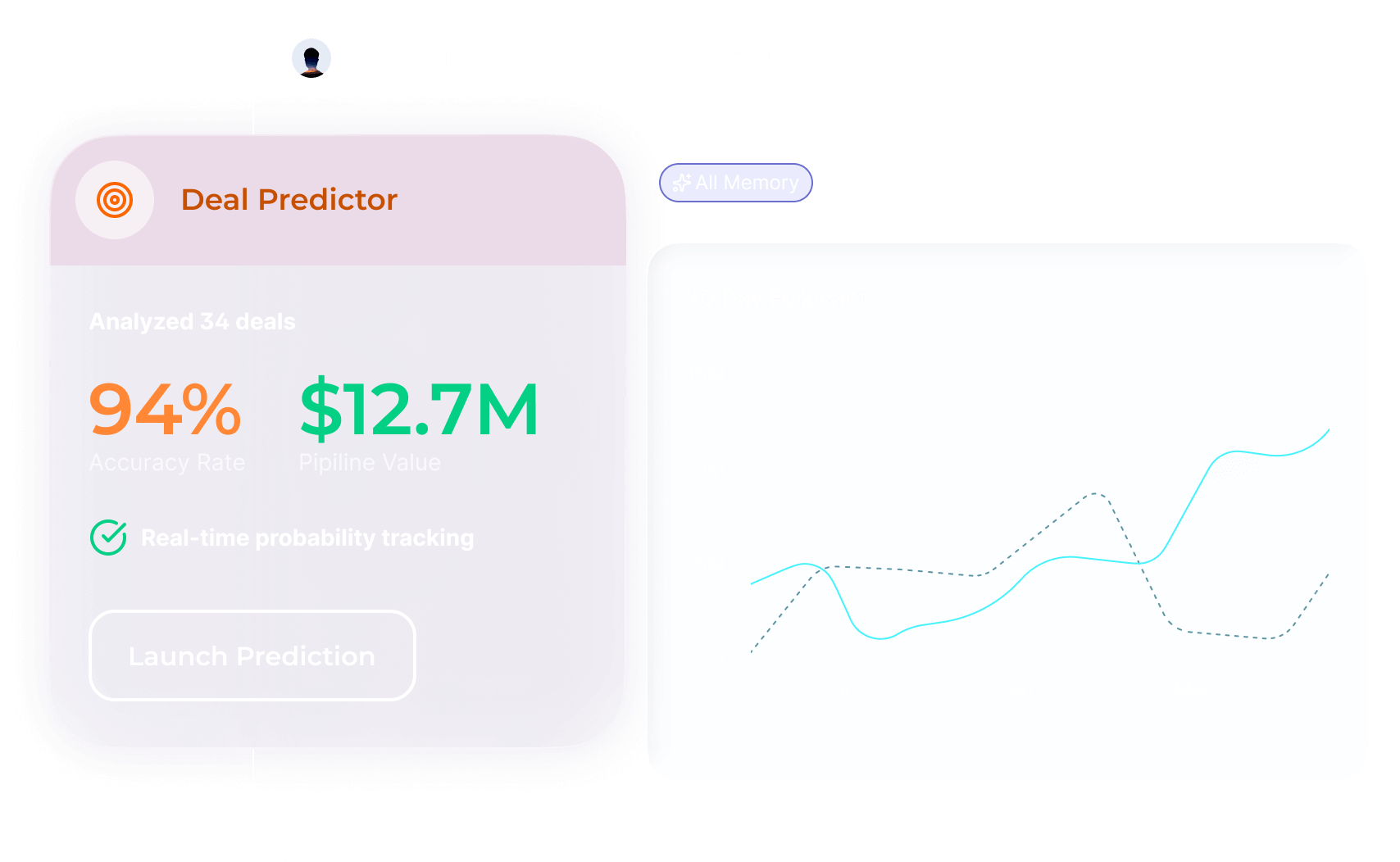
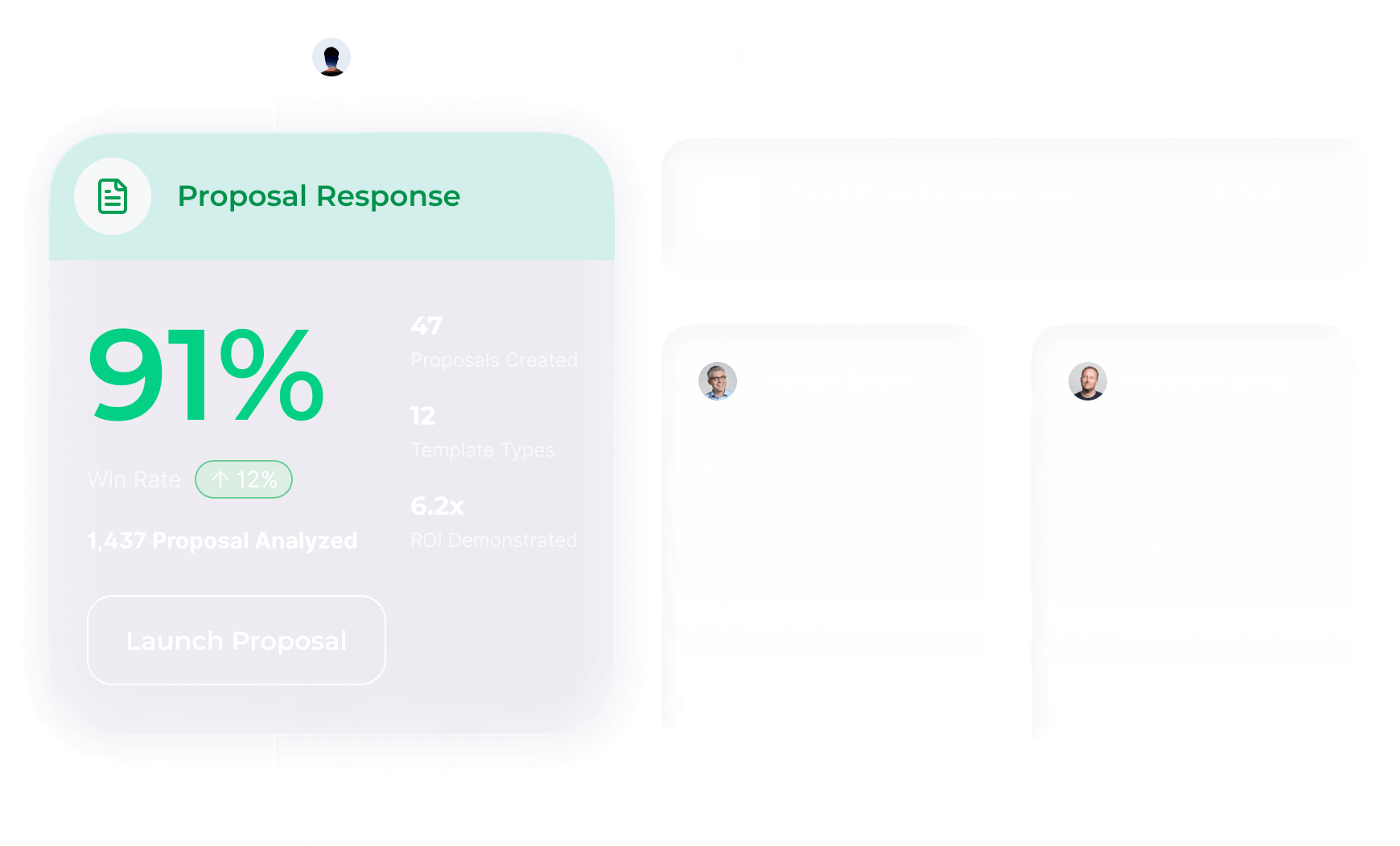
Employ five deal-ready AI agents or build your own custom agents.
Why Provus AI is different

Services-native
Built for services pricing, skills matching, and project complexity, not just software licensing or product catalogs.
Proven by $5B+
Powers over $5B in enterprise revenue and understands margin patterns, resource allocation, and delivery risks.


Agentic experience
AI agents act autonomously on your behalf with specific goals, not just based on rules.
Secure at scale
All data stays within your systems with 100% tenant-level isolation, enterprise-grade security, and compliance.

“Provus’ AI-powered platform emerged as the clear choice with its ability to automate processes and enable accurate, data driven decisions at scale we can use to lift our clients’ overall experience.”
Mallory Woods
VP Client Experience at Trace3

“Provus is the leader in the CPQ field, and the new platform provides us with greater customer focus for customizable quotes and service requirements, and a more streamlined quoting experience within Salesforce.”
Anant Gupta
Chief Operating Officer at Prolifics

“Provus Services Quoting Cloud is a game-changer for professional services. We’ve seen rapid transformation in our quoting process, delivering with speed, accuracy and improved win rates.“
Ronn Breaux
CEO of Top Step
“We had a great experience working with Provus. They acted as trusted advisors by providing a solution that met our business needs and aligned with industry best practices.”
Tarun Sharma
Vice President, Customer Success & Operations at A5

Turn every quote into a winning deal
See how Provus AI helps you price with 100% precision and protect your margins.